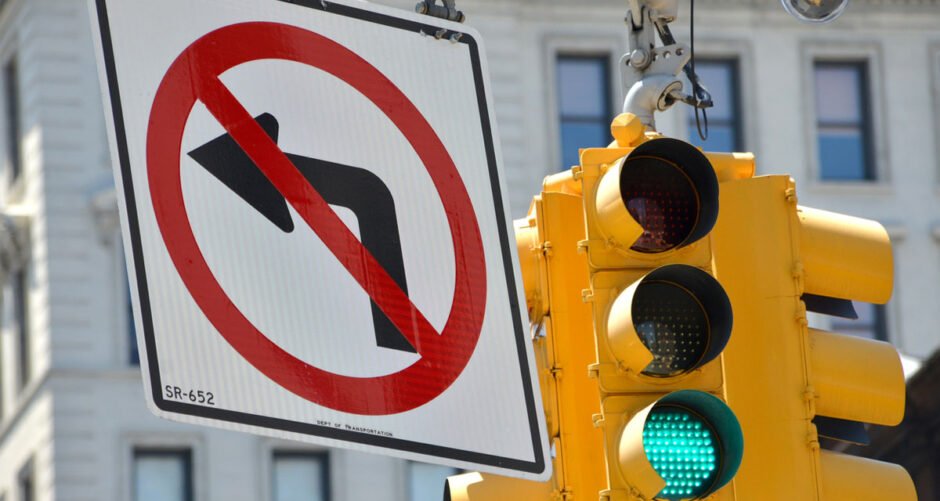
Who had the right of way when two drivers entered the same space at nearly the same time? That question can shape how a car accident claim develops, especially when both drivers remember the moments before impact differently. In Charlotte, where busy intersections, neighborhood cut-throughs, parking lots, and roads like I-77 and Independence Boulevard all create different driving situations, understanding right of way basics in accidents can help people make sense of what happened after a crash.
Right of way is not just about who arrived first or who felt they had permission to move. It often depends on traffic signals, lane position, posted signs, turning movements, pedestrian activity, and whether a driver acted carefully under the circumstances. A driver may have had the right of way in theory but still share responsibility if they were speeding, distracted, or failed to respond to an obvious hazard. That is why these claims often require a careful look at more than one detail.
After a crash, the claim process usually moves through stages. First comes the immediate response, then medical care, insurance reporting, evidence review, liability evaluation, and settlement discussions. When right of way is disputed, each stage can take longer because the insurance company may want statements, photos, witness accounts, police reports, repair estimates, and medical documentation before making a decision. Speaking with an Charlotte car accident attorney can help clarify how those details may fit together.
As Attorney Matthew Fleishman has said, “The small details after a crash can make a real difference in how responsibility is evaluated.” That is especially true in right of way cases because the key question is often not only who had permission to proceed, but whether each person acted reasonably once the risk became clear.
Article Brief
Right of way questions can affect fault, insurance decisions, medical documentation, and the overall pace of a car accident claim. A careful review of the scene, injuries, driver actions, and supporting records can help show how the accident happened and why the timing of each decision matters.
- Right of way depends on the full traffic situation, not just one driver’s opinion.
- Claims may move more slowly when fault is disputed.
- Medical symptoms should be documented early, even if they seem minor at first.
- Local road design and traffic patterns can affect how an accident is reviewed.
- Legal guidance can help people better understand their options after a crash.
How Right of Way Questions Affect a Car Accident Claim
The main problem with right of way disputes is that they often sound simple until the facts are examined closely. One driver may say they had a green light. Another may say the first driver turned suddenly. A pedestrian may have been nearby, a vehicle may have blocked visibility, or a driver may have entered an intersection just as the signal changed. These details matter because insurance companies usually need to decide whether one person was primarily responsible or whether responsibility should be shared.
Right of way basics in accidents often involve intersections, left turns, merging lanes, stop signs, yield signs, parking lot exits, and pedestrian crossings. In many Charlotte crashes, the question is not only whether a driver had a legal right to move forward, but whether that driver used reasonable care. For example, a driver turning left across traffic may be expected to yield, but the oncoming driver may still be examined for speed, distraction, or failure to brake when danger became visible.
A realistic example may involve a driver leaving a shopping center onto a busy Charlotte road while another vehicle changes lanes near the entrance. The exiting driver may believe there was enough space to merge, while the lane-changing driver may believe they had the right of way. If the vehicles collide, the insurance company may look at lane markings, damage location, nearby cameras, witness statements, and whether either driver made a sudden or unsafe move.
These cases can become frustrating because the claim may not progress in a straight line. A person may report the crash quickly, get medical treatment, and still wait while the insurance company reviews liability. If the insurer believes fault is unclear, it may delay payment, reduce an offer, or ask for more information. That does not mean the claim is over. It means the facts need to be organized in a way that clearly explains the sequence of events.
Why Evidence Matters When Fault Is Disputed
Evidence is important because right of way is often decided through details that are easy to lose after the scene is cleared. Photos of vehicle positions, traffic lights, signs, skid marks, road debris, and damage patterns can help show how the crash unfolded. Even a photo of the surrounding area can matter if it shows blocked visibility, confusing lane design, or heavy traffic conditions.
The police report can also play an important role, although it is not always the final word on fault. Officers may record statements, note contributing circumstances, or identify traffic violations. Insurance adjusters often review that report, but they may also conduct their own investigation. When the report leaves important facts out or contains an incomplete account, additional evidence may be needed to correct or clarify the picture.
Witness statements may help because people outside the vehicles can sometimes describe the timing more clearly. A witness may remember whether a vehicle rolled through a stop sign, whether a turn signal was used, or whether one driver appeared to accelerate to beat traffic. These observations can become especially useful when both drivers give conflicting accounts.
For people dealing with injuries, evidence is not only about proving fault. It also connects the crash to the harm that followed. A clear timeline showing the accident, symptoms, medical visits, work limitations, and treatment progress can help explain why the claim matters in practical terms.
How Injuries and Symptoms Fit Into the Claim Process
The biggest mistake many people make after a right of way crash is assuming that fault is the only issue that matters. Liability is important, but the injury side of the claim is just as critical. An insurance company may eventually agree that another driver caused the accident, but still question whether the medical treatment was necessary, whether symptoms came from the crash, or whether the injured person waited too long to seek care.
Some injuries appear immediately, such as cuts, fractures, or severe pain. Others develop over hours or days. Neck pain, back stiffness, headaches, shoulder pain, dizziness, numbness, and soreness from seat belt force may not feel serious at first, especially when adrenaline is high. A person may go home thinking they are shaken up, then wake up the next morning with pain that affects work, driving, lifting, or sleep.
This is where practical documentation becomes important. Medical records can help show when symptoms began, how they changed, and what treatment was recommended. Missed work records, prescription information, physical therapy notes, and follow-up appointments may also help explain the financial and personal impact of the accident. Without those records, an insurance company may argue that the injury is unrelated or less serious than claimed.
Someone injured in a disputed crash may also need to understand how car accident issues overlap with broader injury claim concerns. For example, a person searching for how to <a href=”https://www.rflaw.net/practice-areas/personal-injury/”>find an injury attorney</a> may be trying to understand not only fault, but also medical bills, lost wages, future treatment, and how to respond when an insurer asks for a recorded statement.
Common Injury Concerns After Right of Way Accidents
Right of way crashes often happen at angles, during turns, or in areas where one vehicle is moving across another vehicle’s path. These impact patterns can create injuries that are different from a simple rear-end collision. A side impact may affect the ribs, shoulder, hip, head, or neck. A turning collision may cause twisting forces that strain the back or spine. Even lower-speed crashes in parking lots can cause painful soft tissue injuries.
Symptoms should be taken seriously because they can affect both health and the claim timeline. If a person delays treatment, the insurance company may use that gap to question the case. On the other hand, seeking care promptly creates a clearer record and helps the injured person understand whether the pain is temporary or something that needs ongoing attention.
The claim process usually becomes stronger when the medical timeline is consistent. That does not mean every symptom must be dramatic or life-changing. It means the records should make sense. If pain starts after the crash, gets reported to a provider, and treatment follows a reasonable path, it becomes easier to explain the injury in a clear and grounded way.
This also matters emotionally and financially. A person may be trying to keep working, care for family, handle transportation problems, and respond to insurance requests at the same time. When right of way is disputed, those pressures can feel heavier because the injured person may not know whether bills will be covered or how long the process will take.
Making Careful Decisions After a Charlotte Right of Way Crash
Right of way issues can feel personal because each driver may believe they were doing what the road required. Still, a claim is usually built on evidence, timing, medical documentation, and a careful explanation of how the crash occurred. Taking the time to gather information early can help reduce confusion and keep the process from depending only on conflicting memories.
For many people, the most useful next step is to slow down and evaluate the situation before giving detailed statements or accepting a quick settlement. A fast offer may seem helpful when bills are arriving, but it may not account for ongoing pain, follow-up care, missed income, or disputes about future treatment. A careful review can help someone understand whether the offer reflects the full picture.
Rosensteel Fleishman works with people in Charlotte who are trying to understand what comes next after a car accident. A conversation with an auto accident settlement lawyer can be a useful way to learn more about how right of way, injuries, evidence, and insurance decisions may fit together in a specific situation.
The steady takeaway is simple. When a crash involves a right of way dispute, the details matter from the beginning. Clear records, prompt medical attention, and thoughtful guidance can help protect the claim process while giving the injured person a better sense of direction. Rosensteel Fleishman can be reached at 1-704-714-1450 for those who want to learn more about their options after an accident in Charlotte.